

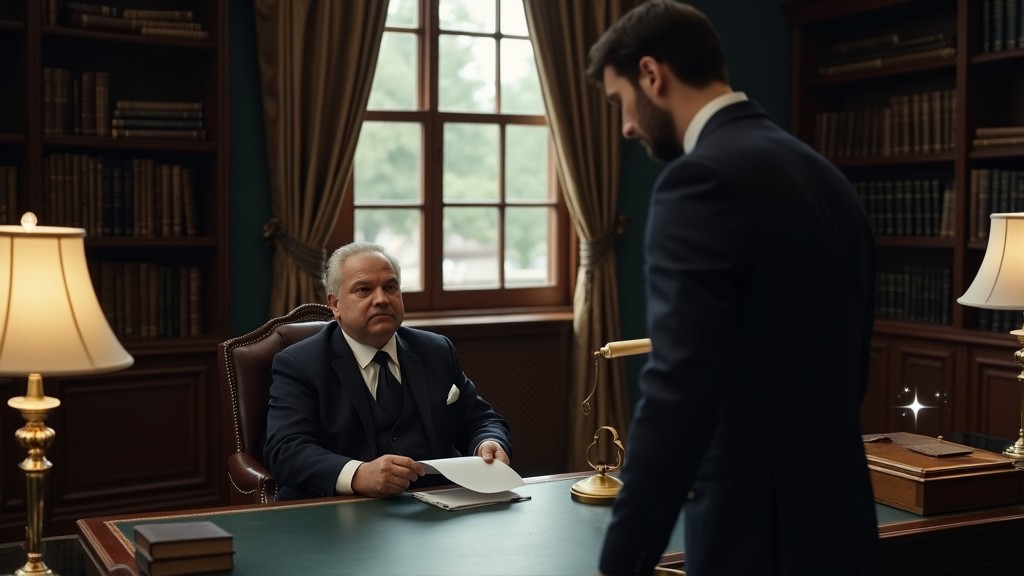
I’m Robert Davis. I ran an entire empire. You expect me to build furniture sweep floors like some beggar? Margaret’s face flushed slightly with embarrassment, a flicker of indignation in her eyes.
They were used to giving orders, to being served never to working with their own hands. Michael met their eyes without flinching. No, he said calmly.
Not like a beggar, Robert. Like decent people. You’ll do whatever needs to be done.
Building tables, repairing houses, cooking for veterans, distributing relief supplies, mopping floors, cleaning up. Just like everyone else in the organization. No special treatment.
You’ll work alongside the very people you once called a burden, veterans, the poor, those who’ve been abandoned. Michael’s words landed like a slap to their pride, but also offered a chance for them to face themselves. Robert’s breathing grew heavy with anger, but then the fire in his eyes suddenly dimmed.
He looked at Michael, at that unnervingly steady composure, and in that moment, he understood. He had nothing left, no power, no choice. He was cornered.
Just then, Sophie, the seven-year-old girl sitting beside Michael, set down her colored pencil. She looked up, her big brown eyes fixed on her grandmother. I’ll teach you how to bake cookies to give to sad people, she said, her small voice soft but serious.
Your cookies might make them happy. The innocent offer from Sophie was like an invisible thread pulling Margaret back, softening the tension in the room. A simple invitation, an act of making amends, not just through labor, but through kindness.
Margaret looked at Sophie, then at the bag of cookies the child had given her before. A complex emotion flickered in her eyes. She stayed silent, but the resistance there had lessened.
Robert cleared his throat, clinging to the scraps of his dignity. We—we need time to think. Michael didn’t rush him.
You don’t have much time. The bank will act quickly. The decision is yours.
He slid a small stack of papers toward them, outlining the basic terms of the agreement. When you’re ready, sign here. I won’t change a thing.
Michael rose to his feet. I’ll be waiting. He said nothing more, leaving them with their own thoughts and the final choice they now faced.
No room left for arrogance, no way to back out. They gave reluctant nods, their faces etched with despair, and with something else beginning to soften within. The door to reconciliation had been opened, but it came at a cost, and that cost was hard work and honesty.
In the end, Robert and Margaret Davies signed Michael’s agreement, not because they wanted to, but because they had no other choice. Desperation had finally outweighed pride. A few days later they moved into a small, modest apartment that Hope for Vets had rented for them in another neighbourhood, far from their old house and its hollow show of wealth.
And then their first days of work at Hope for Vets began. There were no special privileges, no private offices. From day one they were assigned to hands-on labour, the kind of work they’d once been able to summon someone else to do with a mere wave of the hand.
Sarah Miller, in her role as volunteer coordinator, personally trained them with almost endless patience. Robert, who had once overseen dozens of construction workers, now had to saw lumber, hammer nails, and haul heavy planks in the small woodshop behind the Hope for Vets office. He was used to sitting behind a desk, giving orders not breaking a sweat.
In those early days he was clumsy and slow. The hammer slipped, the saw screeched off rhythm, blisters formed, and more than once splinters shot into his hands. Robert grumbled, his face drawn into a scowl.
He sighed heavily, checked his watch constantly, and looked more like a man enduring punishment than doing a job. Sarah would often stand by, calmly offering guidance, and occasionally reminding him, take your time, Robert. Quality matters more than speed.
Once, while carrying a heavy plank, Robert’s foot slipped, and he nearly fell. The wood slammed against his leg, sending a jolt of pain through him. He threw the plank down hard, his face flushed with irritation.
This is ridiculous! What am I even doing here? A man like me reduced to this kind of menial work? He turned as if to walk away, but at that moment a young veteran with a slight limp from an old injury stepped up. Mr. Robert, are you all right? Let me give you a hand. The young veteran’s voice carried no hint of condescension, only genuine concern.
Robert looked into the soldier’s earnest face and froze for a moment. The anger drained away, replaced by a creeping sense of shame. Silently, he bent down, picked the plank back up, and went back to work without another word.
One afternoon, while Robert was fumbling with a handsaw, four-year-old Ben came to the workshop with Sarah. The little boy spotted his grandfather wincing over a small nick on his finger. Ben ran over, holding a bandage decorated with a little car.
Grandpa, Ben said, his voice pure and earnest. Does it hurt? Grandma Sarah told me to put this on you. With clumsy but heartfelt care, he pressed the bandage over Robert’s finger.
You make such beautiful chairs, Grandpa, Ben added, his wide eyes shining as he looked at the half-shaped pieces of wood. Mum will love sitting in it. Ben’s innocent words, bringing up the daughter Robert had lost, touched a hidden corner of his heart.
Robert glanced at the little car bandage on his finger, then at Ben. He didn’t say anything, but the corners of his eyes softened just a bit. Sarah smiled gently as she watched, knowing moments like this were slowly changing Robert.
Meanwhile, Margaret, who had never set foot in a kitchen more than once a week, now found herself struggling in the communal kitchen at Hope for Vets. She’d been tasked with preparing lunch for volunteers and newly arrived veterans’ families. Cooking for so many was a daunting challenge.
She burned the first batch of rolls, sending smoke curling through the kitchen until she was coughing and grimacing. She complained about the mountains of onions to chop, the pots that were too big, the smell of food clinging to her hair and clothes. Sarah was often there beside her, patiently guiding her through each step from measuring spices to working the oven.
Go ahead and make mistakes, Margaret. Everybody has a first time, Sarah encouraged, her tone warm and free of judgment. Once, while peeling potatoes, Margaret nicked her finger, a tiny cut that bled just enough to sting…








Обсуждение закрыто.