

My mother rolled her eyes the second I walked into that Massachusetts courtroom. Not subtle. The kind that screams, «Here we go,» like I’m some inconvenience in her perfectly rehearsed victim story. But then Judge Brennan froze mid-shuffle through his papers, his eyes locked on my face, and I watched recognition hit him like a freight train. «Wait,» he said slowly, setting down his pen. «These allegations are against you? You’re the defendant?» My parents sat there confused, clueless.
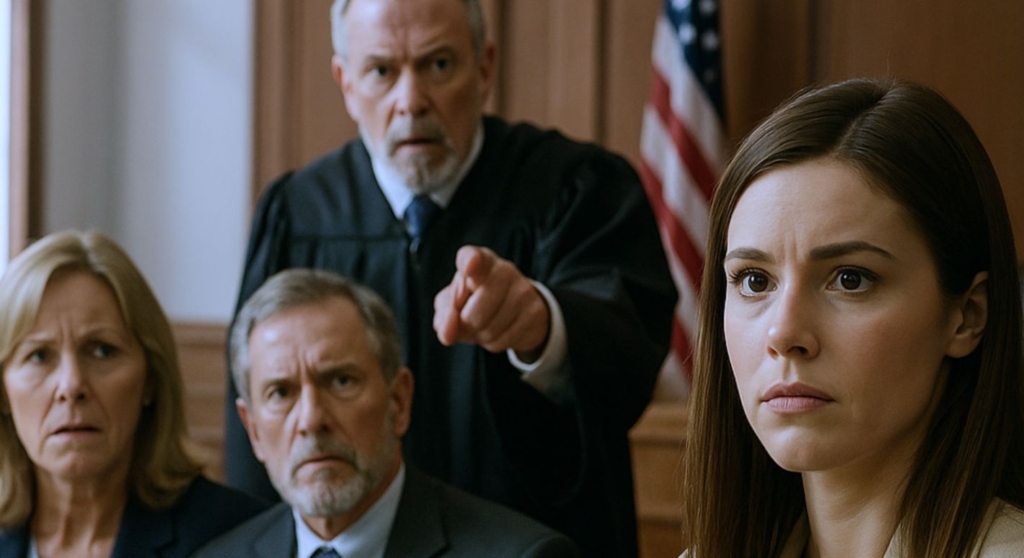
They had no idea who I really was. And honestly, that made what came next so much sweeter. Because I’m not just their abandoned daughter.
I’m the senior prosecutor who spent the last decade putting manipulators exactly like them behind bars. Let me take you back 32 years. I was three months old when my mother, Diane, decided motherhood cramped her style.
She was 18, fresh out of high school in Newton, Massachusetts. My father, Scott, was a promising hockey player for the Boston Bruins, living his dream under the bright lights of TD Garden. A screaming infant didn’t fit their Instagram-perfect life.
So, they did what selfish people do. They dropped me at my grandparents’ house in Brookline one cold October morning and basically vanished. My earliest memory is standing on a wooden stool in Grandma Helen’s kitchen, maybe four years old, dumping chocolate chips into cookie dough.
She never stopped me, never got frustrated. She’d just laugh and say, «The best cookies have extra love and extra chocolate.» Grandpa William would walk through the door still wearing his Supreme Court robes, scoop me up with flour in my hair, and ask about my day like I was the most fascinating person alive.
I’d tell him about the ants I found in the backyard, and he’d listen like I was presenting oral arguments before the highest court in Massachusetts. They never bad-mouthed my parents. Not once.
When I asked why Mommy and Daddy didn’t live with us, Grandma would smile sadly and say they were «busy with important things.» I believed that for years because kids believe kind people. But I wasn’t stupid.
I noticed how other kids’ parents showed up to soccer games at Brookline Field while mine didn’t. How friends talked about Thanksgiving dinners with aunts and uncles and cousins, while I spent holidays with two people who went to bed at eight. The visits from Diane and Scott were predictable.
Christmas, maybe my birthday, if the stars aligned. Diane would arrive wearing designer clothes from Newbury Street, kiss the air near my cheek, and spend the entire visit on her phone. Meanwhile, Scott stayed in the car honking until she came out.
The few times Grandpa dragged him inside, you could cut the tension with a knife. Grandpa had zero respect for him. That was obvious.
Here’s what nobody knew. Grandpa gave Diane $3,000 every single month starting when I was an infant. Over 20 years, that’s more than $800,000. She took every penny and gave nothing back.
No visits, no calls, no presents. Just excuses and requests for more money when Scott’s businesses failed. The sports bar in Quincy that lasted 11 months. The coaching company with zero clients. The memorabilia shop in Cambridge that filed for bankruptcy within two years.
When Grandma Helen died suddenly from a stroke during Thanksgiving weekend when I was 18, my world shattered. She collapsed in her garden, planting tulip bulbs for spring.
I drove home from Boston University that night, six hours of crying. I found Grandpa sitting in the dark garden holding those unplanted bulbs. We sat together until sunrise.
Diane and Scott came to the funeral, stayed for the service, and left before the reception. That’s when I stopped making excuses for them. That’s when I accepted some people are fundamentally selfish, and blood doesn’t obligate you to anything.
After Grandma died, something fundamental shifted between Grandpa and me. We became partners in survival. Those Sunday dinners became sacred.
Sometimes he cooked his famous New England pot roast. Sometimes I experimented with Grandma’s handwritten recipes, her looping cursive on yellowed index cards. Sometimes we just ordered pizza and ate from the box, watching old movies.
But the real value wasn’t the food. It was Grandpa teaching me everything about the law, about justice, about using power responsibly. I graduated top of my class from Boston University Law School.
Grandpa sat front row, recording everything on his ancient camcorder. My parents sent a card with two sentences: «Good job. Proud of you.» I had stopped being surprised by their absence years earlier.
Landing a prosecutor position right out of law school in the Massachusetts District Attorney’s office was partly Grandpa’s doing. He made calls, vouched for me personally, and promised I wouldn’t waste the opportunity. I didn’t.
I worked harder than anyone in that office. Stayed late, came in early, and took cases other prosecutors avoided because they were too complex: financial fraud, political corruption, and white-collar crime, requiring weeks of document review in windowless rooms.
By 30, I was handling high-profile cases that made headlines in the Boston Globe. My personal life was non-existent. Seventy-hour weeks were normal.
I lived on Dunkin’ coffee, takeout, and the satisfaction of watching guilty people face consequences. No dating, no drinks with colleagues, no time for anything except work and Sunday dinners with Grandpa. Those dinners remained untouchable.
No matter how exhausted I was, I showed up. He never missed one either, even when he was in his 80s and moving slower. Diane called once during this period.
I was 28 and hadn’t spoken to her in three years. She wanted help with Scott’s legal problem, some business dispute in Revere. I told her I was a criminal prosecutor, not a civil attorney, and even if I wasn’t, I wouldn’t help Scott with anything.
She called me ungrateful. I hung up. When Grandpa died at 87, peacefully in his sleep in that big Brookline house, I felt that familiar emptiness return.
But this time I wasn’t a lost 18-year-old. I was 32, and I had become exactly who he raised me to be. The will reading happened one week later at the attorney’s office on State Street.
I expected maybe some books, his watch, and personal items. What I got was everything: the Brookline house worth a million alone, the investment portfolio, savings, and life insurance.
$3 million total. Everything he had spent 40 years on the Massachusetts Supreme Court building up. He left it to me with one provision in a sealed letter.
«My dearest Haley,» it began. «You earned this through showing up. Through loving me and your grandmother when others could not be bothered.»
I cried reading that letter. Not sad tears. Validation tears.
The attorney handed me another envelope. Documentation. Bank statements showing Grandpa gave Diane $3,000 monthly for over 20 years. More than $800,000 total.
Emails from her asking for more. Texts promising to visit and then canceling. Letters from Scott requesting money for failed business ventures.
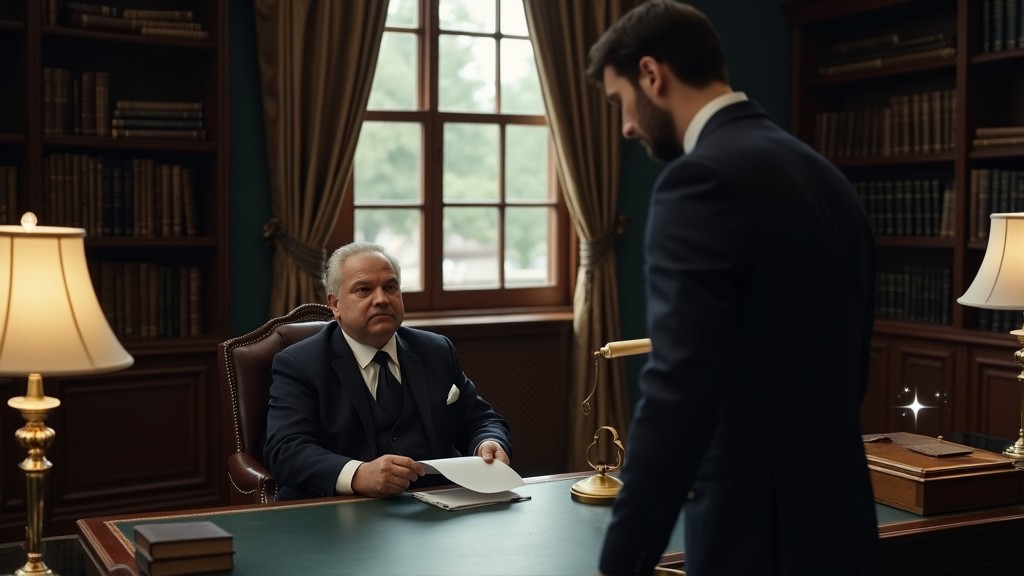
«Your grandfather anticipated they might contest this,» the attorney said. «He wanted you armed with proof.»







Обсуждение закрыто.