

Suddenly, the elevator doors opened. A woman in a dark suit, her hair in a tight ponytail, stepped out, breathing lightly from walking quickly. Detective Maria Santos raised her badge. LAPD. I need to speak immediately with Mr. Ferrer and Chief Durán’s team. Durán turned with a thin, crooked smile. Santos, what are you doing here? Maria didn’t smile. She placed a folder on the table. Her voice was clear. The accident that killed the children’s parents was no accident.
The technical report confirms that the brake line was tampered with. I’ve already sent it to the prosecutor. That means Ricardo Castillo and Sandra Rojas are under investigation for alleged abuse and conspiracy to misappropriate property. The living room felt as if all the air had been sucked out. Sofía clung to María with her gaze as if she were holding onto a lifeline. Miguel opened his mouth and closed it again. Daniel suddenly stopped joking.
Durán gave a thin smile. That report isn’t a formal charge yet. Custody still belongs to them. Maria nodded, but didn’t back down. True, but you can’t force a surrender when there’s a clear risk of harm. The DSFS must be fully alerted. I’ve already sent an urgent email with the evidence and will file a written report if anyone tries to send the children back to an abusive environment. Durán stared at Maria for several seconds, his jaw clenched in irritation.
He slammed his notebook shut and put the pen back in his pocket. Fine, then you’ll take responsibility if anything happens. He turned to David. We’ll be back. Don’t take the kids anywhere. They’re staying here, David replied firmly and confidently. Duran spun around. Just before stepping into the elevator, he leaned toward the man next to him and murmured, “Call Baes. Remind him not to let the evidence leak.” The elevator door closed, and for a brief moment, his distorted face flickered in the reflection off the steel.
Silence returned to the apartment. Maria relaxed her shoulders and lowered her voice. “I’m sorry I barged in like this, but I needed to stop them immediately.” David nodded. “Thank you.” Maria looked at Sofia. “Can you tell me briefly what happened last night? Just the main points.” Sofia swallowed. “They kicked us out. My aunt spilled the milk on the floor. My uncle told us to beg on the street. My little brother had a fever. Mr. Ferrer gave him milk and called a doctor. I wasn’t kidnapped.” Maria jotted down a few lines.
Fine, I’ll file the report today. Someone from DFS will come to interview you, but the context has changed. Don’t be afraid. Miguel looked at María and then at his father. He spoke in a low voice, almost confessing to himself. I’ll stay home today. Daniel shrugged, but didn’t argue. Me too. María picked up her file and added a warning. If anyone comes without a clear order, don’t open the door. Call me directly. David accepted his card. I will. María left.
The door closed. Sofia froze for a few seconds. Then she suddenly stepped forward, wrapped her arms around David’s waist, and buried her face in his shirt. Please. Don’t let them take us. David placed his hand on the girl’s head and said nothing, but his hand held on tightly. David’s hand was still resting in Sofia’s hair. He leaned in, speaking slowly and clearly. No one is going to take you.
Sofia nodded and then stepped back into the room to hold Mateo. Miguel stood in a corner of the kitchen, watching her leave before turning to his father. “Are you really planning on keeping them? We’re not an orphanage.” His voice was high and tired. David pulled out a chair and sat down, his gaze steady. “You just heard what the police said. These children need security. But this is our home,” Miguel said. “You always open the door, but who closes it for you?”
The clink of a spoon hit the table. David placed his palm firmly on it. Enough. He rarely raised his voice, but this time he didn’t look away. They’re human beings, not burdens. The hallway swallowed the words in silence. Sofia stood in the doorway, hearing everything. She led Mateo to the balcony. She took refuge in the shadows. Tears trickled down her cheeks, but she didn’t dare to cry. It’s okay, Mateo, I’m here. The baby clung to her neck tightly.
Her breath was short and hot. Daniel walked by, about to crack a joke to break the tension, but stopped when he saw Mateo’s small hand clutching Sofia’s shirt as if letting go would send him into an abyss. Daniel swallowed his words, paused for a second, and then closed the balcony door just enough to block the draft. “Just close it gently,” he murmured. The wind is changing; they’ll catch cold easily. Night fell.
David video-called their pediatrician, asking him to monitor their temperatures and make sure they stayed hydrated. The children calmed down for a while. Then Lucas’s fever spiked. His face turned intensely red. His body trembled. Sofia put her hand to his forehead. Her own face paled. Grandpa, your fever is rising. The thermometer flashed. The number surpassed the warning mark. Sofia knelt on the floor, hugging Lucas as if she were holding on to his breath.
Please, Miguel, can you take me to the hospital, please? Miguel froze, his eyes fixed on the bright red number. He looked at his father. David nodded very slightly. “Go now.” Miguel stepped forward, taking Lucas in his arms. His grip was clumsy but firm. “Grab a thin towel. Daniel, get the bottle. The car is on level B,” he murmured, as if reciting instructions to himself. The elevator descended gently. Sofía held Mateo tightly to her chest, rocking him to soothe his cries.
David went down to the garage with them, buckling the car seat himself. “Call me when you get to the hospital,” he said. “I’ll be right behind you.” The nearest hospital was Sidar Sinai. The emergency room lights shone brightly. People were coming in and out nonstop. Nurse Carla was on triage duty. A Latina woman in her 40s with a firm but warm voice. “Symptoms?” she asked quickly. “High fever, 6 months. Eating little. Breathing fast.” Miguel answered, placing Lucas in the small bed.
Sofía stayed close, holding her brother’s hand without letting go. Nurse Carla put down her stethoscope and called the doctor. Dr. Peña is coming. Dr. Nael Peña, the night pediatrician, was thin, his eyes shadowed from too many long shifts, but still steady and alert. He arrived, quickly examined the boy, ordered anti-inflammatory tests and respiratory monitoring. “No one’s leaving,” Dr. Peña said quietly. “I need to observe reactions.” Miguel stayed near the bed.
For the first time in years, he found himself reaching out to hold another person’s hand without thinking. It was Sofia’s hand, cold and trembling. He squeezed it gently. “It’s going to be okay,” he said, unsure if he was comforting her or himself. Sofia looked up. Surprised by the strange security in such an unfamiliar moment, she nodded, not daring to let go. Mateo had already fallen asleep against her shoulder. His lips moved with the rhythm of her breathing.
Ten minutes later, Dr. Peña returned. His voice was reassuring. The fever is responding well. Her breathing is more stable. Now we will continue monitoring for another hour. There are no signs of severe dehydration. The baby will be fine. Sofia exhaled audibly. Tears fell onto Lucas’s hand and soaked the sheet. Miguel let go. He stepped back as if afraid someone had noticed. He went outside and called David. She’s over the crisis. The doctor said they’ll observe her a little longer.
On the other end, David only responded “OK.” And then he was silent for a long moment. Finally, he added, “Tell Sofia to drink some water. Don’t let her stand for too long.” Miguel hung up, walked into the hallway, and washed his face. The neon light reflected his tired features. He leaned his forehead against the mirror for a few seconds and then headed to the coffee machine. As he turned the corner, he stopped abruptly. At the end of the hallway, near the nurses’ station, Sandra Rojas was glued to a young nurse, slipping a brown envelope into the woman’s uniform pocket.
Sandra’s voice was low but sharp. “Just delay the paperwork. I need those kids out of that room, do you understand?” The young nurse looked nervous. Her badge read, “Monica.” She looked around, then nodded quickly. Miguel didn’t listen any further. Anger surged through him as quickly as the red pulse of the emergency lights. He crumpled the paper cup in his hand and in that instant knew this moment would bring much more than another long night in the ER.
Miguel stepped back toward the shaft, his hands still clutching the coffee cup. Sandra slipped an envelope into the young nurse’s uniform pocket, whispering quickly. Change the notes. Write that it was a fever caused by poor care. Write that it was due to lack of hydration, lack of hygiene. I need that file. The nurse lowered her head. Her voice trembled. I can’t do that. Do it. I’ll take care of the rest. Sandra squeezed his shoulder and then hurried toward the elevator.
Miguel picked up his phone, put it on silent, and took several quick photos. He captured the moment Sandra slipped the envelope into his hand, the plaque that said Monica, and the aisle corner with the sign. When Sandra disappeared, he walked straight to the counter and set down his glass. Monica, right? His voice was calm but firm. She flinched. What? What does she need? I need you not to destroy a child’s life over an envelope. Miguel’s eyes bore into hers, nonthreatening, but unyielding.
Can you return it right now, or should I send this clip to security and the inspector? Monica bit her lip, pulled out the envelope, and shoved it in his hand. I owe. I was stupid. Please, let it go. It’s not my decision. Miguel put the envelope in his coat pocket, took a few more photos of the stamp, and stepped back. He opened a new message for Detective María Santos. My name is Miguel Ferrer. I have photos of an attempt to alter records in the ER.
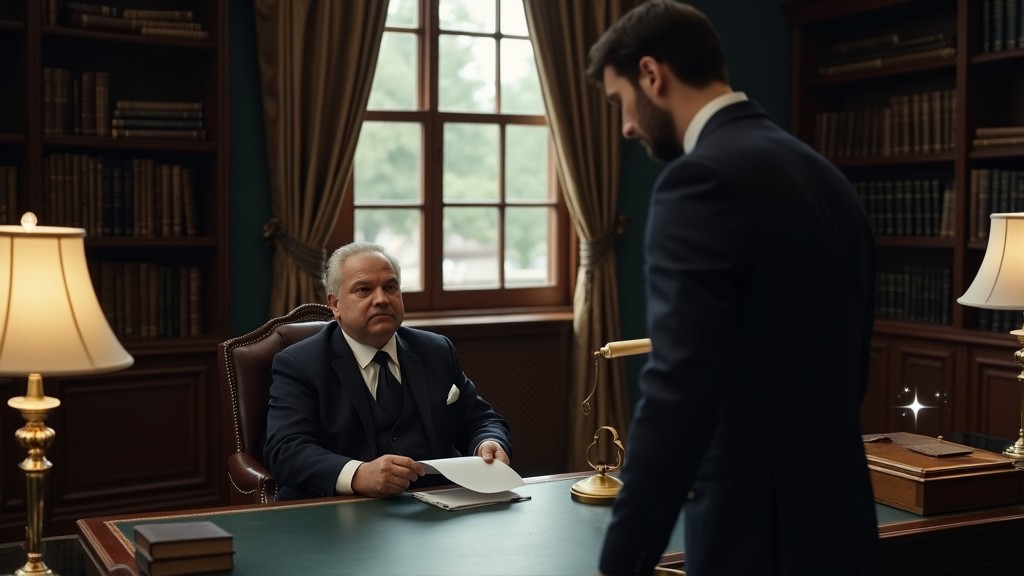
Sandra Rojas is paying. She attached the photos and added a brief note. Lucas was admitted. The doctor lowered his fever. We’re at Cedar Sinai. The message was sent. Miguel exhaled, realizing he’d just chosen a side. For the first time, he was completely on his father’s side. At that very moment, in a private room behind a steakhouse on Wilshire, Guillermo Báez was sitting across from Francisco Durán. Two other men were with them, a local campaign strategist named Ramiro Ponce and a young family court employee, Olivia Chen…




Обсуждение закрыто.